


Orders

Profile


Wallet


Pregnancy
1 month ago
Q: I am feeling too sleepy and lazy in the morning.i m in 8th week of pregnancy
 4Answer


TL;DR
Feeling tired in pregnancy is common, especially in the first 12 weeks, when hormonal changes can leave you exhausted. Protein will not cure tiredness on its own, but eating enough supports steadier energy, your red blood cells and your strength. ICMR-NIN 2020 puts the need at about 46 g a day early on, 55 g in the second trimester and 68 g in the third for a 55 kg woman. On low-appetite days, a protein snack made for pregnancy, such as MamaGro Protein Diskettes, can fill the gap. Since 52.2% of pregnant women in India are anaemic, ask your doctor to check your haemoglobin and thyroid if the tiredness is severe.
Quick Answer
Protein is not a quick cure for pregnancy fatigue, but eating enough of it supports steadier energy, your red blood cells and your strength. Swapping a sugary chai-time biscuit for a protein snack made for pregnancy, such as MamaGro Protein Diskettes, can help on low-energy days. If tiredness is severe, ask your doctor to check for anaemia or thyroid problems.
If you are pregnant and feel tired all the time, you are not imagining it and you are not being lazy. Your body is working hard round the clock. Protein can play a supporting role in how you feel, but it works best alongside rest, iron-rich food and the right medical checks. Here is what the science actually says.
Why do you feel so tired in pregnancy?
Pregnancy tiredness is common and usually has clear physical causes. The NHS explains that it is most noticeable in the first 12 weeks, when hormonal changes can leave you tired, nauseous and emotional. Later in pregnancy, the extra weight you carry and poor sleep as your bump grows can make you tired again.
Your body is also:
making more blood to supply the placenta and your baby
building the placenta and supporting your baby's growth
adjusting to big hormonal shifts
often coping with nausea, a smaller appetite or broken sleep
The NHS also reassures that feeling tired will not harm you or your baby, even though it can make daily life harder.
Can protein actually reduce pregnancy fatigue?
Protein can help, but indirectly and gradually. It is not proven to cure pregnancy tiredness on its own. Here is how it supports your energy:
How protein helps | Why it matters for tiredness |
|---|---|
Steadier blood sugar | Adding protein to a carbohydrate meal lowers the rise in blood sugar after eating in people without diabetes, according to a 2024 review of feeding studies. Fewer big spikes can mean fewer slumps afterwards |
Keeps you full | A meal with dal, curd or paneer keeps you going longer than a plain biscuit or a cup of sweet chai |
Builds red blood cells | Haemoglobin, which carries oxygen in your blood, is itself a protein, and your body also needs iron to make it |
Supports muscle strength | Your muscles carry the extra weight of pregnancy, and they are built from protein |
If you are not eating enough overall, because of nausea or a poor appetite, both your energy and your protein intake can fall together. Fixing the diet as a whole usually helps more than focusing on one nutrient.
How much protein do you need in each trimester?
ICMR-NIN 2020 recommends about 0.83 g of protein per kg of body weight for adult Indian women, plus an extra 9.5 g a day in the second trimester and 22 g a day in the third. For a 55 kg woman, that works out to:
Trimester | Why you may feel tired | Approximate protein a day (55 kg woman) |
|---|---|---|
First trimester | Hormone changes, nausea, low appetite | About 46 g |
Second trimester | Energy often improves | About 55 g |
Third trimester | Baby's fast growth, extra weight, poor sleep | About 68 g |
Your exact target depends on your weight and diet, so check it with your doctor or dietitian. Our guide on how much protein you need in pregnancy has a table by body weight.
Are Indian moms more likely to run low?
Many are. Indian vegetarian meals built around rice or roti can fall short on protein unless dal, milk, curd or paneer are eaten at most meals. Our breakdown of why dal-roti alone can fall short shows the numbers.
Anaemia is the bigger reason to take tiredness seriously in India. According to NFHS-5 (2019 to 2021), 52.2% of pregnant women aged 15 to 49 are anaemic. Iron deficiency anaemia can cause tiredness, lack of energy, shortness of breath, a racing or pounding heartbeat and paler skin. This is why your doctor checks your haemoglobin during pregnancy, and why it is important to keep taking any iron tablets you have been prescribed.
Can protein biscuits and snacks help with tiredness?
They can help you fill a protein gap, especially on days when meals are small. They do not replace meals, and they will not fix anaemia or a thyroid problem.
What matters is what the snack swaps out. A regular sugary biscuit with tea gives you very little protein. A snack made for pregnancy gives you a fixed, modest amount of protein in the same snack slot.
MamaGro Protein Diskettes give 8 g of protein in 5 diskettes (25 g), from milk proteins and soy, for about 98 kcal. They have no added sugar and are sweetened with maltitol and sucralose. The daily limit is 5 diskettes, and they contain milk, soy and barley. If sweet foods feel too much, MamaGro Protein Diskettes - 250gm-Jeera is a savoury option.
If you would rather drink your protein, MamaGro Pregnancy Protein Powder stirred into a glass of milk gives about 14 to 15 g of protein, along with iron, vitamin B12 and other pregnancy nutrients. Our comparison of protein biscuits vs protein powder in pregnancy can help you choose.
If you have gestational diabetes, thyroid disease or a food allergy, check with your doctor before adding either.
What should you check on a protein snack label?
Read the nutrition panel rather than the front of the pack.
Protein per serving: a pregnancy top-up gives a modest, fixed amount, not a large dose
Added sugar: "no added sugar" is better, but check which sweeteners are used
Calories per serving: a snack should be a snack, not a second meal
Allergens: look for milk, soy, wheat, barley and nuts
Daily limit: stick to the serving on the pack
Made for pregnancy: avoid gym and bodybuilding products, which are not designed for pregnancy
How can you beat tiredness during pregnancy?
Protein is one part of the answer. These steps help the most, together:
Eat little and often. Small meals every few hours can help when nausea or a small appetite makes big meals hard. Our tips for low appetite in the first trimester can help.
Add protein to each meal. Dal with rice, curd with paratha, paneer or eggs with roti, a handful of roasted chana or peanuts with chai.
Pair protein with iron-rich foods. Green leafy vegetables, rajma, chana and jaggery, with a source of vitamin C such as lemon or amla to help iron absorption.
Rest when you can. The NHS suggests sitting with your feet up during the day and accepting offers of help.
Keep gently active. A short walk can help you feel less tired, as long as your doctor is happy for you to exercise.
Cut caffeine in the evening. Tea, coffee and cola late in the day can make sleep harder.
Drink enough water. Being dehydrated can make you feel more tired.
For timing ideas, see the right way to take protein snacks.
When should you see a doctor about tiredness?
Some tiredness is normal, but talk to your doctor if your exhaustion is extreme, getting worse or stopping you from managing daily life. It can be a sign of something that needs treatment, such as:
Anaemia: especially if you also feel breathless, notice a racing heartbeat, have headaches or look paler than usual
Underactive thyroid: an underactive thyroid can cause extreme tiredness, feeling cold, constipation and low mood
Gestational diabetes: it often has no symptoms, but very high blood sugar can cause tiredness, more thirst and peeing more often
Depression: feeling low, hopeless or unable to enjoy things, along with tiredness, can be a sign of depression in pregnancy, which is common and treatable
Severe vomiting: if you cannot keep food or fluids down
Get urgent medical help, or call 108 for an ambulance, if you faint, have chest pain, feel very short of breath or your heartbeat is very fast and does not settle.
Frequently Asked Questions
1. Is tiredness a sign of early pregnancy? Yes, tiredness is one of the most common early signs of pregnancy, often starting in the first few weeks. Hormonal changes are the main reason. A pregnancy test and a visit to your doctor will confirm whether you are pregnant.
2. How long does pregnancy tiredness last? For many women it is strongest in the first 12 weeks and eases in the second trimester. It often returns in the third trimester as your bump grows and sleep becomes harder.
3. Does eating more protein give you instant energy? No. Protein does not work like a sugar rush. It supports steadier energy over time, especially when it is part of balanced meals.
4. Which foods give energy during pregnancy? Balanced meals that combine whole grains with protein work best, such as dal-rice, rajma-chawal, curd with paratha, besan chilla or poha with peanuts. Add fruit, vegetables and iron-rich foods through the day.
5. Can I eat protein biscuits every day for tiredness? Yes, a protein snack made for pregnancy can be eaten daily within the limit on the pack, for example 5 MamaGro Protein Diskettes a day. Treat it as a snack alongside meals, not a replacement for them.
6. Can weakness during pregnancy mean low haemoglobin? It can. Weakness, tiredness and breathlessness are common signs of anaemia, which affects many pregnant women in India. Your doctor can check your haemoglobin with a simple blood test.
7. Is it safe to drink coffee or tea for pregnancy tiredness? A little is fine, but the NHS advises no more than 200 mg of caffeine a day in pregnancy, from all sources including tea, coffee, cola and chocolate. Caffeine late in the day can also disturb your sleep, which makes tiredness worse.
Related Articles
"Ghar Ka Khana Is Enough": Why Dal-Roti Falls Short on Pregnancy Protein
Low Appetite in the First Trimester: 9 Smart Ways to Maintain Protein Intake Without Forcing Meals
The Right Way to Take Protein Snacks: Timing, Quantity and What to Pair Them With
Nausea and Morning Sickness: 10 Easy Protein Snacks That Will Not Trigger Vomiting
Related Products
MamaGro Protein Diskettes - 250gm - Vanilla: 8 g of protein in 5 diskettes, no added sugar
MamaGro Protein Diskettes - 250gm-Jeera: a savoury option for days when sweet foods feel too much
MamaGro Protein Diskettes - 500gm - Vanilla: a larger pack for daily use
MamaGro Pregnancy Protein Powder - Chocolate Flavor (Pack of 2): one 28 g scoop in milk gives 8 g of milk protein plus iron, vitamin B12 and other pregnancy nutrients
Please check with your doctor before adding any supplement, especially if you have gestational diabetes, a food allergy or another medical condition.
References
NHS. Tiredness and sleep problems in pregnancy. https://www.nhs.uk/pregnancy/related-conditions/common-symptoms/tiredness/
ICMR-National Institute of Nutrition. Nutrient Requirements for Indians, Recommended Dietary Allowances and Estimated Average Requirements, 2020 (brief note). https://www.nin.res.in/rdabook/brief_note.pdf
Press Information Bureau, Ministry of Health and Family Welfare. Anaemia prevalence as per NFHS-5 (2019 to 2021). https://pib.gov.in/PressReleasePage.aspx?PRID=1795421
Systematic review and meta-analysis of protein added to carbohydrate meals and blood glucose response. The Journal of Nutrition, 2024. PubMed ID 39019167. https://pubmed.ncbi.nlm.nih.gov/39019167/
NHS. Iron deficiency anaemia. https://www.nhs.uk/conditions/iron-deficiency-anaemia/
NHS. Underactive thyroid (hypothyroidism): symptoms. https://www.nhs.uk/conditions/underactive-thyroid-hypothyroidism/symptoms/
NHS. Gestational diabetes. https://www.nhs.uk/conditions/gestational-diabetes/
NHS. Depression in pregnancy. https://www.nhs.uk/pregnancy/keeping-well/depression/
NHS. Foods to avoid in pregnancy (caffeine). https://www.nhs.uk/pregnancy/keeping-well/foods-to-avoid/
Medical disclaimer: This article is for general information only and is not a substitute for advice from your doctor. Please talk to your doctor if you feel very tired in pregnancy, and before adding any supplement to your diet.


With the start of the exciting journey of motherhood, the first trimester is usually filled with mixed feelings. The first trimester brings some unexpected events, and as a new mother can often be overwhelming. The first trimester is particularly important as the pregnancy has just been established, and the fetal heartbeat develops. One should follow early pregnancy tips to avoid miscarriage.
The first trimester brings body changes, nausea, tiredness, and emotional changes. Here are some useful first-trimester pregnancy tips for new mothers.
Signs your pregnancy is going well in the first trimester
The journey of motherhood can be full of unexpected events with signs your pregnancy is going well in the first trimester. Understanding the signs and symptoms of the first trimester can ease anxiety. The first trimester of pregnancy is eventful, with physical and emotional ups and downs.
The physical signs your pregnancy is going well in the first trimester to consider include exhaustion, continuing to miss the period cycle, acidity, breast engorgement with pain in and around the area, considerable bloating, constipation, nausea, headaches, food cravings and vaginal discharge.
For some, the mentioned symptoms may be negligible, while others may have exacerbated for one or two. This might not necessarily imply that the pregnancy is not going well.
Danger signs of pregnancy in the first trimester
The first trimester is crucial for mothers as pregnancy can be vulnerable. Look out for these danger signs of pregnancy in the first trimester as early pregnancy tips to avoid miscarriage. The first trimester of pregnancy precautions include:
-
Vaginal bleeding: Bleeding can be a sign of miscarriage, especially during the first trimester of pregnancy. Vaginal bleeding is also common in a pregnancy that has been established outside the uterus. An ectopic pregnancy can cause spotting or bleeding.
-
Cramps and abdominal pain: Cramps and abdominal pain associated with vaginal bleeding should not be ignored. The pain is specifically in the lower abdominal area.
-
Excessive nausea: Nausea and vomiting during the first trimester are often common, but excessive vomiting can cause dehydration.
-
High-grade fever: Fever is a sign of inflammation, and a high-grade fever during pregnancy can be life-threatening for the fetus.
-
Burning sensation during urination: Pregnancy can be accompanied by a urinary infection. Urethra infection can cause the vagina to become inflamed, making fetal infection easier.
Do and don'ts in first-trimester pregnancy
Prenatal care is of equal importance to the fetus and the mother. The first three months of pregnancy dos and don’ts are important. Here is a list that one can follow:
-
Doctor visits: For an uneventful pregnancy, ensure regular visits to the doctor. A physician may ask for a minimum of three visits during pregnancy for the general well-being of the fetus. The doctor will also advise on care schedules, feeding methods and other fetal growth-related aspects from time to time and guide on the first three months of pregnancy dos and don'ts.
-
Regular vitamins: For a healthy pregnancy, essential vitamins are folate, iron, and zinc with other micro and macronutrients. Do take regular vitamins for the development of a healthy fetus. Disorders due to malnourishment and lack of essential vitamins include spina bifida, underweight fetus, brittle bones, low IQ etc.
-
Exercise: It is a well-established fact that active pregnancy leads to healthier baby weight, higher IQ, lower risk of gestational diabetes and juvenile diabetes, lesser sleep issues and elevated mood.
-
Balanced diet: A balanced diet should include high protein, fibre, dairy and fruits. High fibre will help to alleviate constipation and improve bowel movements. Whole grains will add the necessary zinc and magnesium to the diet.
-
Hydration: Hydration during the first trimester will help relieve nausea and vomiting. A minimum of 8-12 glasses of water with a mix of green tea, herbal tea and other juices can suffice the requirement.
While there are so many dos for a healthy pregnancy, a few don'ts can be equally beneficial.
-
Cut down on caffeine: Caffeine can lead to a lack of sleep, especially if taken at night.
-
Alcohol: Fetal alcohol syndrome is associated with facial feature abnormality, reduced amniotic fluid, low birth weight, memory issues, hyperactive disorder, attention issues and inability to focus, slow learning and other cognitive issues.
-
Tobacco: Tobacco chewing or smoking can be hazardous for the fetus. Even passive smoking can be harmful to the fetus. Apart from cognitive issues and learning disabilities, sudden infant death syndrome is associated with smoking during pregnancy.
Conclusion
The first trimester pregnancy tips can help an expecting mother avoid some major complications for the fetus and lead to a happy and healthy pregnancy. The first three months of pregnancy dos and don’ts can help new mothers make sure there are no complications and the pregnancy is smooth.
Read More Answers (2)


Ask your question about pregnancy
Get expert answers within 5 minutes for FREE only on Mylo App
Related Questions
In my report on 2nd page it is written ectopic and molar pregnancy and screening of down syndrome and trisomy 18 is there anything to worry about it please tell me i am very worried..

My baby has these small acne on her head and forehead, few on cheeks.. doctor said khud se thik ho jayege.. kuch nai karna.. but ye increase hi rahe hai.. I am worried and scared ? what should I do? Meri MIL ne pic dekhi to she said tumse khyal nai rakha ja raha hai.. m aake le jaugi apni poti ko.. I m feeling very bad.. whole 9 month I took care of her inside me.. nobody was there for me to take care of me.. now such words hurting me a lot.. ???
Posted In
Pregnancy
3789823 Posts
Related Articles
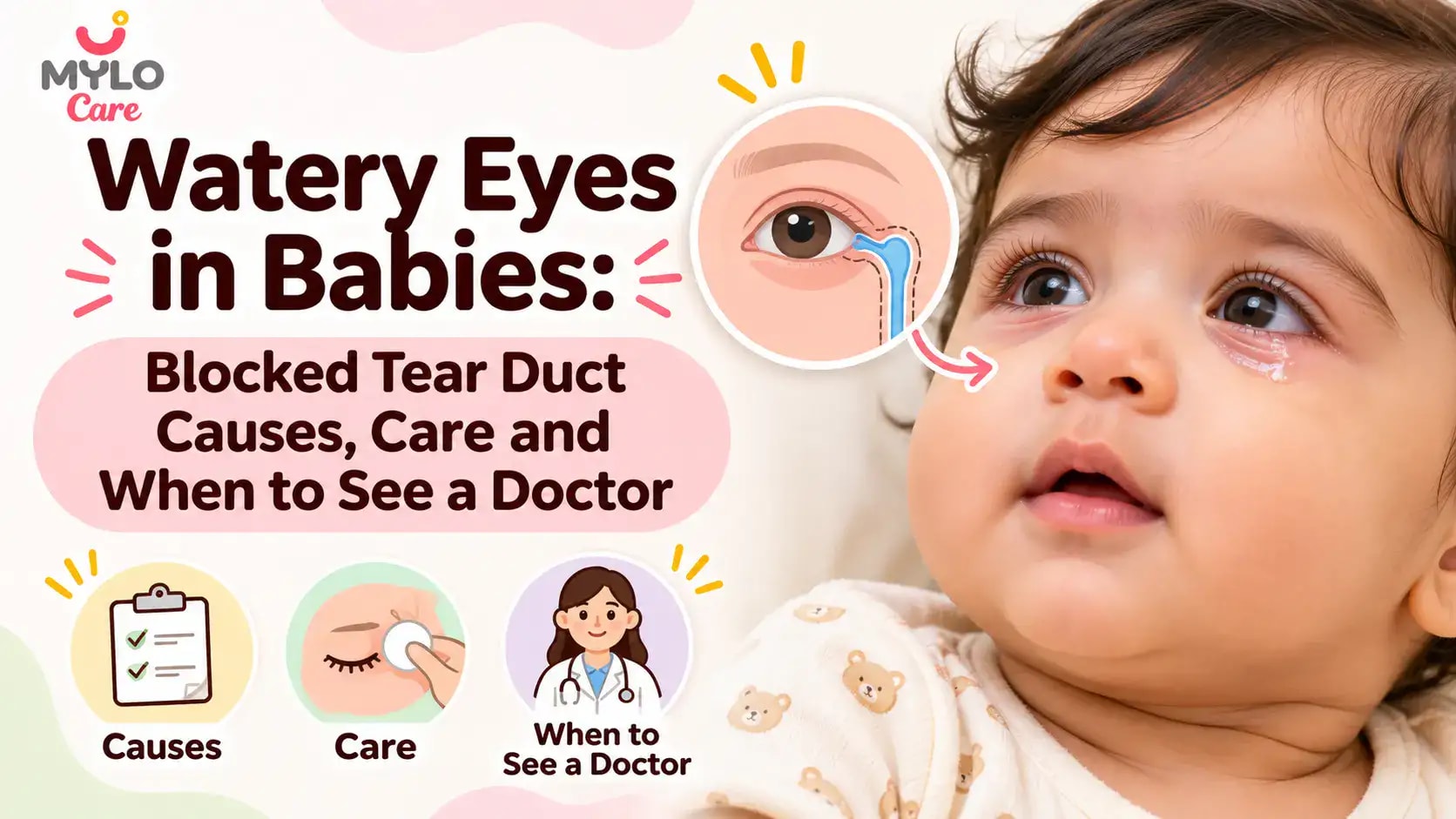
Watery Eyes in Babies: Blocked Tear Duct Causes, Care and When to See a Doctor

Second Baby Planning: How Long Should You Wait Between Pregnancies?

Baby Kidney Swelling on Ultrasound (Antenatal Hydronephrosis): Will It Go Away?

Foods for Height Growth in Toddlers and Kids: What Really Helps (Indian Guide)
Related Topics


AWARDS AND RECOGNITION

Mylo wins Forbes D2C Disruptor award

Mylo wins The Economic Times Promising Brands 2022
AS SEEN IN













- Mylo Care: Effective and science-backed personal care and wellness solutions for a joyful you.
- Mylo Baby: Science-backed, gentle and effective personal care & hygiene range for your little one.
- Mylo Community: Trusted and empathetic community of 10mn+ parents and experts.


