


Orders

Profile


Wallet

Headache During Pregnancy: Causes, Safe Remedies and When to Worry
 11 Likes|
 9 min

MBBS, DGO · 38 years experience
Key Takeaways
Quick overview in 30 seconds
- Between 50% to 80% of pregnant women experience headaches, caused by hormonal changes, increased blood volume, blood pressure fluctuations, stress, and dehydration during pregnancy.
- Natural remedies like staying hydrated, applying cold or warm compresses, practicing relaxation techniques, getting enough rest, and using aromatherapy can effectively alleviate pregnancy headaches.
- Maintaining good posture, limiting caffeine, trying acupuncture, and consulting your healthcare provider for severe or persistent headaches are essential steps for safe headache management.
- Looking for natural ways to soothe pregnancy headaches? Explore our Pregnancy Massage Oil + Coconut Oil - 200 ml each.

 4.8
Quick Answer
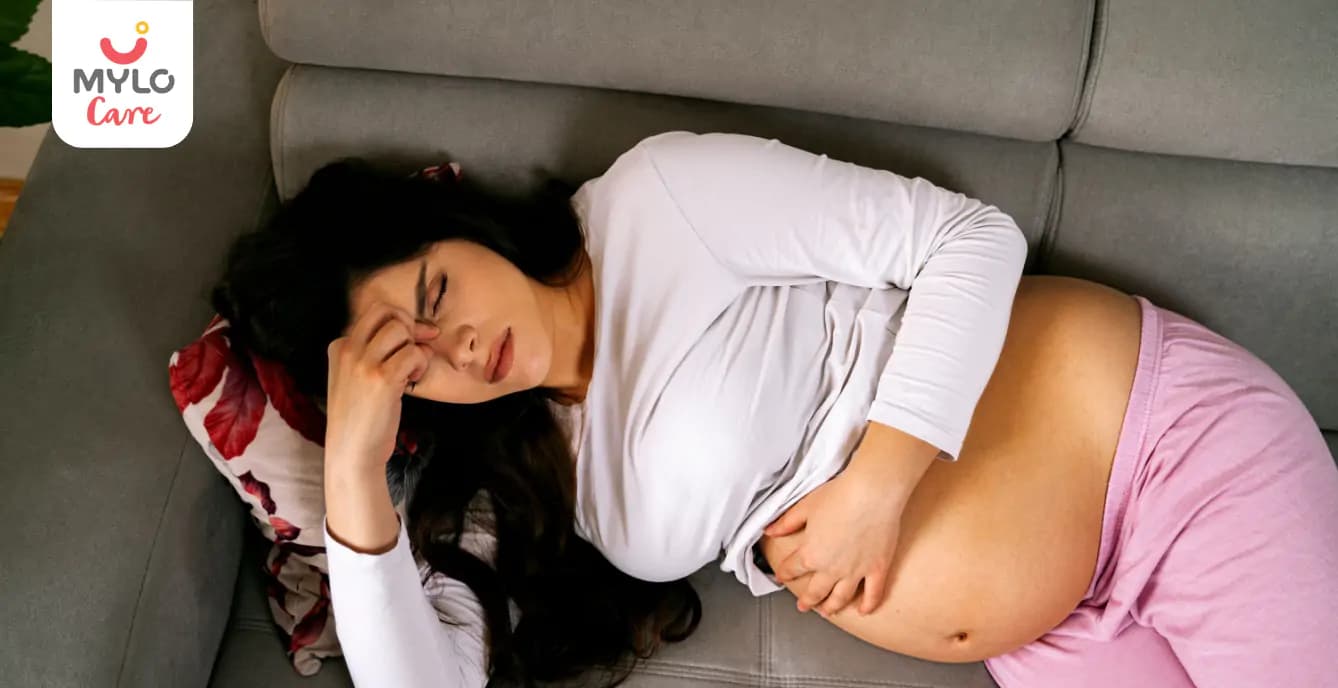
Headaches are common in early pregnancy, often linked to hormone changes, dehydration, tiredness or stress, and they usually improve as pregnancy goes on. They do not harm your baby. Fluids, rest and a cold compress often help, and paracetamol is the first choice of painkiller. A severe headache, especially after 20 weeks, needs a doctor's check straight away.
If your head has been aching more than usual since you found out you are pregnant, you are not alone. Many women notice headaches in the first few months, and it can be hard to know what is normal and what is not. Here is why headaches happen in pregnancy, what you can safely do about them, and which signs mean you should call your doctor.
Are headaches normal in pregnancy?
Yes, mild to moderate headaches are common, especially in the first trimester. The NHS says headaches can be common in early pregnancy and usually improve as your pregnancy goes on. They do not harm your baby, but they can be uncomfortable for you.
A very bad headache is different. Even in early pregnancy, if the pain is severe, keeps coming back or does not ease with rest, fluids and paracetamol, see your doctor.
Why do headaches happen in pregnancy?
Often there is no single cause. Common reasons include:
Hormone changes: a review on headache in pregnancy notes that headaches are affected by the hormone changes of pregnancy. This is one reason they are common in the first trimester.
Not drinking enough fluids, especially if you have morning sickness and vomiting.
Tiredness and poor sleep.
Stress and tension, which can cause a tight, band-like pain around the head or neck.
Caffeine: too much chai or coffee can be a trigger, and so can suddenly cutting down if you are used to several cups a day.
Anaemia: low haemoglobin is very common in Indian pregnancies, and the NHS lists headaches as a symptom of iron deficiency anaemia.
Migraine: if you had migraines before pregnancy, they may change. A 2020 review found that most women with migraine without aura get better during pregnancy, while migraine with aura more often stays the same or gets worse.
High blood pressure or pre-eclampsia: this usually starts after 20 weeks, and a severe headache can be one of its signs.
Headaches by trimester
Trimester | What is common | What to watch for |
|---|---|---|
First (weeks 1 to 13) | Headaches linked to hormone changes, nausea, dehydration and tiredness | Severe pain, or headache with high fever, stiff neck or repeated vomiting |
Second (weeks 14 to 27) | Headaches often ease | Any severe headache after 20 weeks, or headache with vision changes or swelling |
Third (weeks 28 to 40) | Tension headaches from poor sleep and posture | Severe headache, blurred vision, pain below the ribs or sudden swelling, which can be signs of pre-eclampsia |
Safe home remedies for headache in pregnancy
The NHS suggests drinking plenty of fluids, getting enough sleep, and resting and relaxing, for example with a pregnancy yoga class. Try:
Drink plenty of fluids: water, nimbu pani, coconut water or buttermilk through the day. Sip slowly if you feel sick.
Eat small, regular meals: keep a snack like a banana, roasted chana or a few nuts handy, so you do not go too long without food.
Rest in a dark, quiet room when a headache starts.
Cold or warm compress: a cold cloth on your forehead, or a warm towel on the back of your neck for tension headaches. Use whichever feels better.
Gentle massage of your neck, shoulders and temples can help you relax. Some women like to use a pregnancy-safe oil, such as the Pregnancy Massage Oil + Coconut Oil - 200 ml each.
Keep caffeine under 200 mg a day: the NHS says a cup of tea has about 75 mg and a cup of instant coffee about 100 mg. If you drink a lot of chai, cut down slowly rather than all at once.
Sleep and posture: go to bed at a regular time, take short rests in the day, and avoid slouching over your phone or laptop.
Take your iron tablets as your doctor advises if you have been told your haemoglobin is low.
Which medicines are safe for headache in pregnancy?
According to the NHS, paracetamol is the first choice of painkiller in pregnancy. For safety, take it for the shortest possible time, and ask your doctor or pharmacist how much you can take and for how long.
The NHS says to avoid painkillers containing codeine and NSAIDs such as ibuprofen in pregnancy, unless prescribed by your doctor. Many headache and cold tablets sold over the counter combine paracetamol with caffeine or other medicines, so check with your pharmacist before buying any.
Is paracetamol linked to autism? No. Bumps, the UK service on medicines in pregnancy, says the best available evidence does not show that paracetamol use in pregnancy causes autism. The NHS adds that the UK medicines regulator (MHRA) has confirmed paracetamol remains safe in pregnancy.
If you have migraines and take a prescribed medicine, do not stop or change it yourself. Talk to your doctor. Read more in our guide on migraine during pregnancy.
When is a headache in pregnancy a warning sign?
A headache can sometimes be a sign of pre-eclampsia, which can lead to serious complications if it is not treated. The NHS advises calling your maternity unit or doctor urgently if you have:
a severe headache
problems with vision, such as blurring or seeing flashing lights. See blurred vision during pregnancy
pain just below your ribs
vomiting
a sudden increase in swelling of your face, hands, feet or ankles
Also see a doctor straight away if a headache comes with high fever, a stiff neck, fainting, weakness on one side of the body, confusion, or if it is the worst headache you have ever had.
Headache in pregnancy myths vs facts
Myth | Fact |
|---|---|
Headaches in pregnancy harm the baby | Common headaches do not harm your baby, according to the NHS |
You cannot take any painkiller in pregnancy | Paracetamol is the first choice painkiller in pregnancy. Ask your doctor or pharmacist how to take it |
Paracetamol in pregnancy causes autism | The best available evidence does not show this |
Any painkiller from the chemist is fine | Avoid ibuprofen and codeine unless your doctor prescribes them |
A headache late in pregnancy is just tiredness | A severe headache after 20 weeks can be a sign of pre-eclampsia and needs checking the same day |
Frequently Asked Questions
1. Is headache normal in the 3rd month of pregnancy? Yes, headaches are common in early pregnancy and usually improve as pregnancy goes on. See your doctor if the pain is very severe or does not ease.
2. Do pregnancy headaches affect the baby? Common headaches do not harm your baby, but they can be uncomfortable for you.
3. Can I take paracetamol for headache in pregnancy? Yes. Paracetamol is the first choice painkiller in pregnancy. Take it for the shortest time needed and ask your doctor or pharmacist how much to take.
4. Can I take Disprin or ibuprofen for headache in pregnancy? Do not take aspirin, ibuprofen or other NSAIDs for headache unless your doctor prescribes them. Your doctor may sometimes prescribe low-dose aspirin for other reasons, so do not stop it if they have.
5. Can low haemoglobin cause headaches in pregnancy? Yes, headaches can be a symptom of iron deficiency anaemia. Ask your doctor to check your haemoglobin if you also feel tired, breathless or look pale.
6. Is it safe to drink tea or coffee for a headache? A small amount is fine. Keep your total caffeine under 200 mg a day, which is about two cups of tea.
7. When should I worry about a headache in pregnancy? Call your doctor urgently for a severe headache, vision changes, pain below the ribs, vomiting or sudden swelling, especially after 20 weeks.
Related Articles
References
NHS. Headaches in pregnancy. https://www.nhs.uk/pregnancy/related-conditions/common-symptoms/headaches/
NHS. Foods to avoid in pregnancy (caffeine). https://www.nhs.uk/pregnancy/keeping-well/foods-to-avoid/
NHS. Iron deficiency anaemia. https://www.nhs.uk/conditions/iron-deficiency-anaemia/
Bumps, UK Teratology Information Service. Paracetamol in pregnancy. https://www.medicinesinpregnancy.org/leaflets-a-z/paracetamol/
MacGregor EA. Headache in pregnancy. Neurologic Clinics, 2012. https://pubmed.ncbi.nlm.nih.gov/22840792/
van Casteren DS, van den Brink AM, Terwindt GM. Migraine and other headache disorders in pregnancy. Handbook of Clinical Neurology, 2020. https://pubmed.ncbi.nlm.nih.gov/32768088/
Medical disclaimer: This article is for general information only and is not a substitute for advice from your doctor. Please check with your doctor or pharmacist before taking any medicine in pregnancy.
Trusted by Moms-To-Be Seeking Gentle Headache Relief
Soothing essentials to help you ease those pregnancy headaches naturally and feel more comfortable each day.



Article Posted Under
Related Articles


Related Topics

Medical Disclaimer
This content is for informational purposes only and should not replace professional medical advice. Consult with a physician or other health care professional if you have any concerns or questions about your health. If you rely on the information provided here, you do so solely at your own risk.


AWARDS AND RECOGNITION

Mylo wins Forbes D2C Disruptor award

Mylo wins The Economic Times Promising Brands 2022
AS SEEN IN













- Mylo Care: Effective and science-backed personal care and wellness solutions for a joyful you.
- Mylo Baby: Science-backed, gentle and effective personal care & hygiene range for your little one.
- Mylo Community: Trusted and empathetic community of 10mn+ parents and experts.


Product Categories
Baby Carrier | Baby Soap | Stretch Marks Cream | Baby Cream | Baby Shampoo | Baby Massage Oil | Baby Hair Oil | Stretch Marks Oil | Baby Body Wash | Baby Powder | Baby Lotion | Diaper Rash Cream | Teether | Baby Kajal |