


Orders

Profile


Wallet

Pregnancy Precautions: What to Do and What to Avoid in Early Pregnancy (Indian Guide)
 1.5K Likes|
 9 min


Msc Food Nutrition And Dietetics · 4 years experience

Key Takeaways
Quick overview in 30 seconds
- In early pregnancy, see your doctor early, attend every check-up, eat a varied home-cooked diet, stay active with 150 minutes of moderate exercise weekly, and rest well.
- Avoid alcohol, smoking, raw or unpasteurised foods, unripe papaya, liver, and limit caffeine to under 200 mg a day to lower pregnancy risks.
- Normal activities like climbing stairs, light housework, ripe papaya and pineapple are safe. Miscarriage is rarely caused by something you did as a mother.
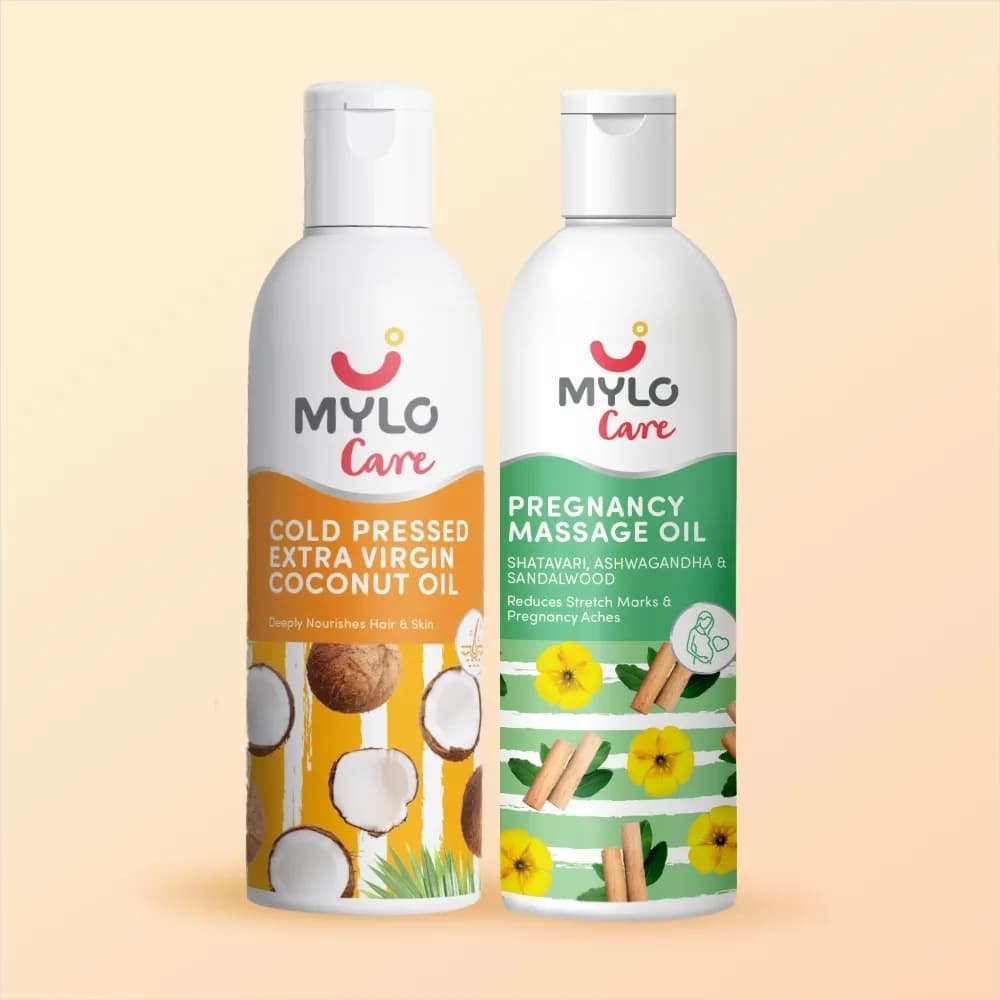
- Looking for safe pregnancy essentials to support your first trimester journey? Explore our Pregnancy Massage Oil + Coconut Oil - 200 ml each.
 4.7
 4.4
 4.5
 4.3
Quick Answer
In pregnancy, see your doctor early and go to every check-up. Eat a varied diet, stay active, rest well, and take only the medicines and supplements your doctor approves. Avoid alcohol, smoking, raw or unpasteurised foods and too much caffeine. Get medical help straight away for bleeding, severe pain, a bad headache or reduced baby movements.
Once you see a positive test, everyone has advice: do not lift this, do not eat that, do not climb stairs. Some of it is sensible, and some of it is old fear passed down. Here is a clear, evidence-based list of what really matters in pregnancy, especially in the early weeks, so you can take care of yourself without worrying about everything.
Is it true that what I do can cause a miscarriage?
This is the biggest fear for many women, so it is worth saying clearly. According to the NHS, it is not always known what causes miscarriage, but it is often because there is a problem with the way the pregnancy develops. Normal daily activities, like walking, climbing stairs, light housework or eating ripe papaya and pineapple, are not known to cause miscarriage.
The NHS lists some things that may increase the chance of miscarriage, and several of them are within your control: smoking, drinking alcohol, drinking a lot of caffeine, living with obesity or being underweight, and being exposed to harmful chemicals. Other factors, such as your age, thyroid problems, diabetes or a problem with your womb, are not your fault and are managed with your doctor's help.
If you do have a miscarriage, it is very unlikely to be because of something you did.
What to do in pregnancy
1. See your doctor early and go to every check-up
Book your first visit as soon as you know you are pregnant. Your doctor will check your health, order tests like blood count, blood group, thyroid and sugar, and schedule your scans and visits. Go to every appointment, even if you feel well, so problems can be spotted early.
2. Eat a varied, home-cooked diet
Eat whole grains, dal, milk and curd, vegetables, fruit, nuts, and eggs, fish or meat if you eat them. You need only about 350 extra kcal a day. See our guide on what to eat during pregnancy.
3. Take the supplements your doctor prescribes
Take iron and other supplements exactly as advised. Our guide on how to take iron and folic acid tablets explains how to take them so they work, and what to do if they make you feel sick.
4. Stay active
Exercise is safe for you and your baby. The NHS recommends aiming for 150 minutes of moderate activity a week, such as walking, swimming or pregnancy yoga, and starting any new exercise gently. Moderate means you can talk but not sing.
5. Drink enough water and rest
Drink plenty of clean water through the day, and rest when you feel tired. Fatigue is common in early pregnancy.
6. Look after your mental health
Pregnancy can bring worry, mood swings and low days. Talk to your partner, family or doctor if you feel low, anxious or unable to cope.
7. Tell every doctor you are pregnant
Tell any doctor, dentist or pharmacist that you are pregnant before they give you medicines, X-rays or treatment.
What to avoid in pregnancy
Food and drink
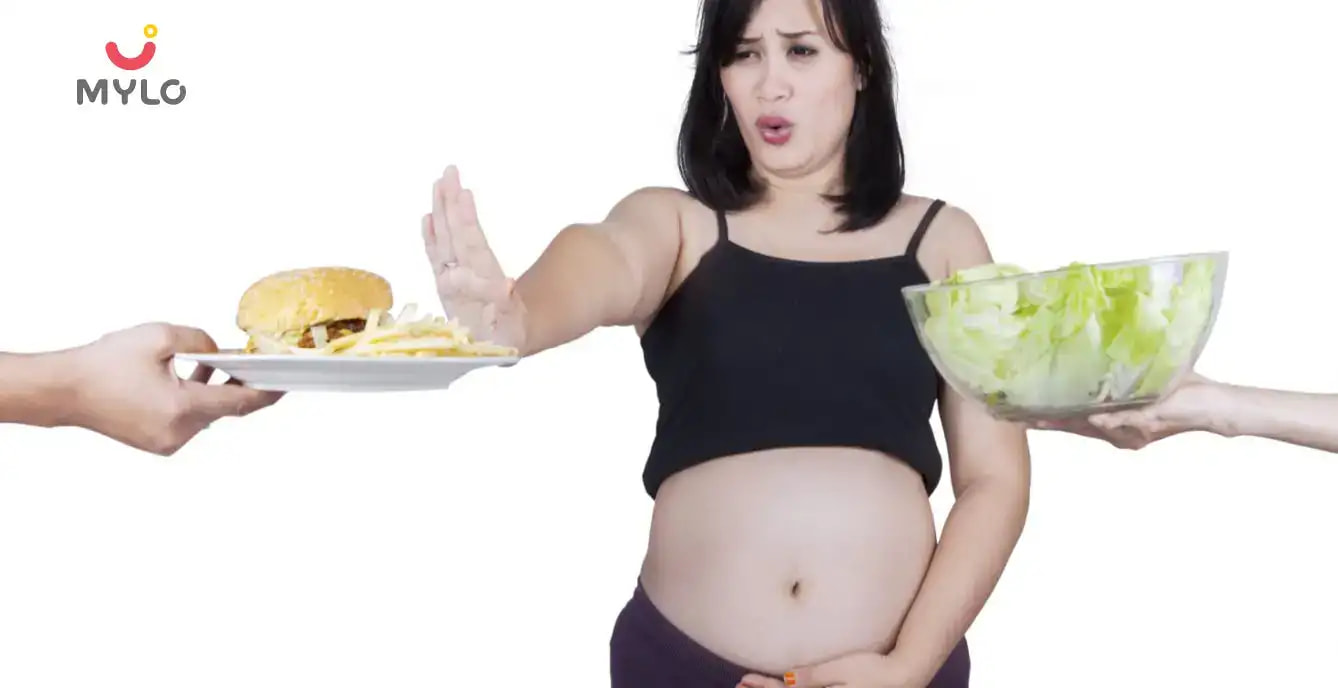
According to the NHS, avoid or limit:
Avoid or limit | Why |
|---|---|
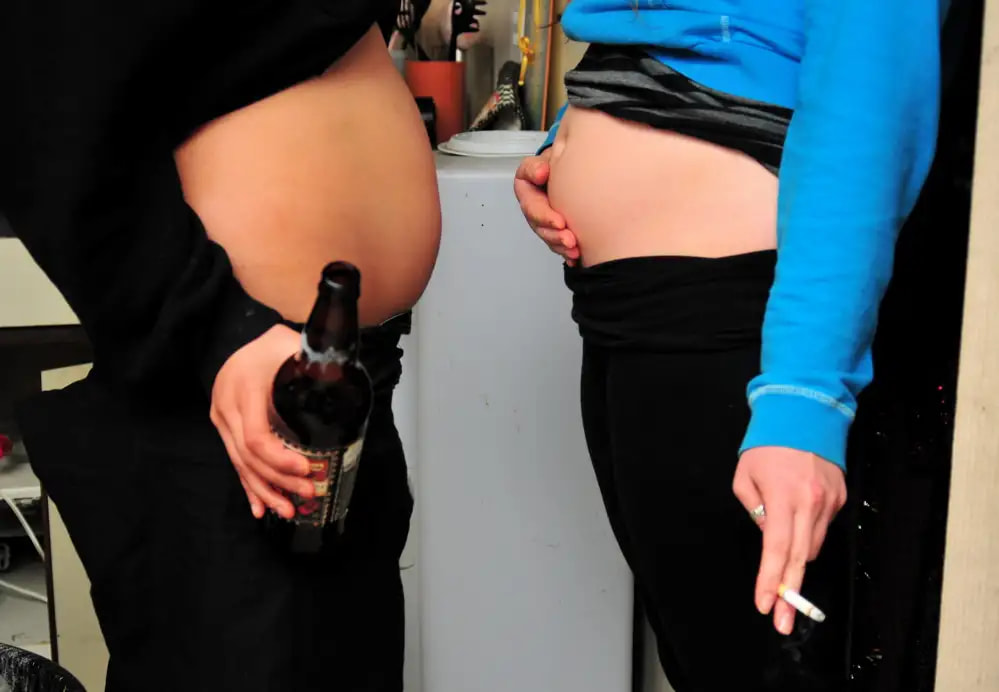
Alcohol | No safe amount in pregnancy |
More than 200 mg of caffeine a day | Too much caffeine is linked to a higher chance of miscarriage and stillbirth. A cup of tea or coffee has about 75 to 100 mg |
Raw or unpasteurised milk and dairy | May carry listeria |
Raw or undercooked eggs, meat and fish | Risk of infection |
Liver and liver products | Very high in vitamin A |
Herbal teas with liquorice (mulethi) | May affect your baby's development |
Unripe or semi-ripe papaya | Papaya latex can cause contractions in animal studies |
Ripe papaya, pineapple, curd, eggs, saffron in small amounts, coconut water and dates are all safe. See our guides on papaya, pineapple and curd.
Also take care with roadside cut fruit, chaat, pani puri and ice, because of water and hygiene.
Smoking and second-hand smoke
Stop smoking, and avoid places where others smoke. The NHS lists smoking as a factor that may increase the chance of miscarriage. Ask your doctor for help to quit.
Medicines without advice
The NHS advises checking with a doctor or pharmacist before taking any medicine, supplement or herbal remedy in pregnancy, including painkillers. It also says not to stop any medicine you have been prescribed without talking to your doctor first. Paracetamol is usually the best medicine for pain or fever, but check with your doctor.
Risky sports and falls
The NHS advises avoiding sports or activities with a risk of falling or bumping your tummy, and not exercising on an empty stomach, as this could make you faint.
Heavy lifting and long hours on your feet
The NHS lists heavy lifting or carrying, standing or sitting for long periods without breaks, exposure to toxic substances and long working hours as risks for pregnant workers. At home, ask for help with heavy buckets, gas cylinders or shifting furniture, take breaks, and sit down for tasks like chopping vegetables.
Harmful chemicals
Avoid strong pesticides, insect sprays and harsh cleaning chemicals where you can, and keep rooms well ventilated. The NHS lists exposure to harmful chemicals as a factor that may increase the chance of miscarriage.
Common worries in Indian homes
What you may hear | What the evidence says |
|---|---|
"Do not climb stairs" | Climbing stairs normally is safe. Hold the railing and go slowly later in pregnancy |
"Do not bend or sweep" | Light housework is fine. Bend at the knees and avoid heavy lifting |
"Avoid papaya and pineapple completely" | Ripe papaya and pineapple are safe in normal amounts. Only unripe papaya should be avoided |
"Do not travel in early pregnancy" | Travel is usually fine in a healthy pregnancy. Check with your doctor, especially for long journeys |
"Eating 'garam' foods causes miscarriage" | There is no scientific evidence for this |
When to get medical help straight away
According to the NHS, get urgent medical help if you are pregnant and have:
vaginal bleeding, with severe tummy pain, shoulder pain, or feeling faint or dizzy
heavy bleeding, soaking a pad soon after putting it on
fluid suddenly coming out of your vagina
The NHS also says these can be signs of pre-eclampsia, a serious condition, and need checking immediately:
a severe headache that does not go away with simple painkillers
vision problems, such as blurred vision or flashing lights
pain below the ribs
sudden swelling of the face, hands or feet
Also contact your doctor if you:
notice your baby moving less than usual, later in pregnancy
have a high fever, burning when you pass urine, or vomiting that stops you keeping fluids down
Frequently Asked Questions
1. What precautions should I take in the first trimester? See your doctor early, avoid alcohol, smoking and raw or unpasteurised foods, keep caffeine under 200 mg a day, take only approved medicines, and rest when you need to.
2. Can climbing stairs cause miscarriage? No. Normal activities like climbing stairs are not known to cause miscarriage. Hold the railing and go slowly.
3. Can I do housework during pregnancy? Yes, light housework is fine. Avoid heavy lifting, strong chemicals and standing for long without breaks.
4. Is exercise safe in early pregnancy? Yes. The NHS recommends 150 minutes of moderate activity a week, such as walking or yoga. Avoid activities with a risk of falling.
5. Which foods should I avoid in early pregnancy? Raw or unpasteurised dairy, undercooked eggs, meat and fish, liver, unripe papaya, alcohol and more than 200 mg of caffeine a day.
6. Can I take medicines for a headache or cold in pregnancy? Check with your doctor or pharmacist first. Paracetamol is usually the best option for pain or fever, but ask before taking anything.
7. What causes miscarriage in early pregnancy? It is often because there is a problem with how the pregnancy develops, not because of anything you did. Smoking, alcohol, too much caffeine and harmful chemicals can increase the risk.
8. When should I go to the hospital in pregnancy? Go straight away if you have heavy bleeding, severe tummy pain, a severe headache with vision problems, sudden swelling, fluid leaking, or reduced baby movements.
Related Articles
References
NHS. Miscarriage. https://www.nhs.uk/conditions/miscarriage/
NHS. Foods to avoid in pregnancy. https://www.nhs.uk/pregnancy/keeping-well/foods-to-avoid/
NHS. Exercise in pregnancy. https://www.nhs.uk/pregnancy/keeping-well/exercise/
NHS. Medicines in pregnancy. https://www.nhs.uk/pregnancy/keeping-well/medicines/
NHS. Your health at work in pregnancy. https://www.nhs.uk/pregnancy/keeping-well/your-health-at-work/
NHS. Pre-eclampsia. https://www.nhs.uk/conditions/pre-eclampsia/
Medical disclaimer: This article is for general information only and is not a substitute for advice from your doctor. Please talk to your doctor about any concerns in your pregnancy.
Trusted by mamas navigating their early pregnancy weeks
Gentle, doctor-approved essentials to help you nourish, rest and care for yourself and your growing baby.
Pregnancy Massage Oil + Coconut Oil - 200 ml each


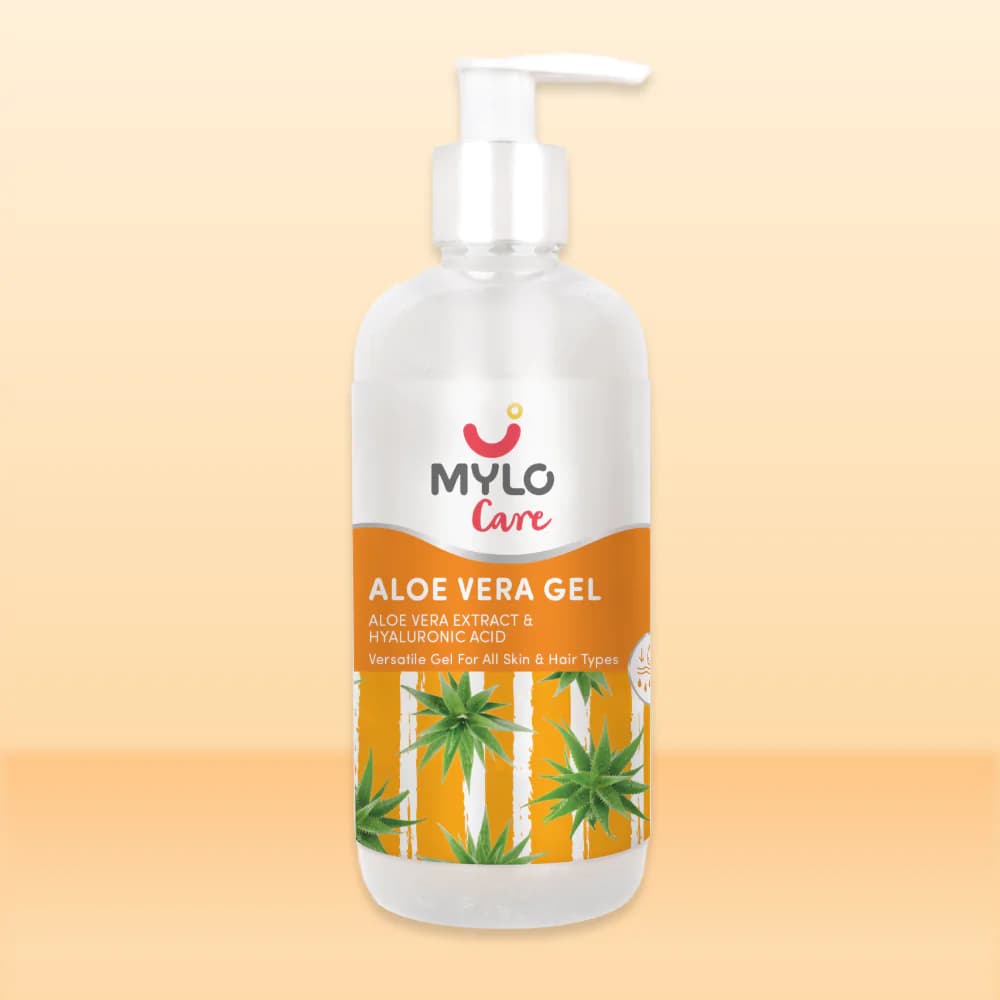
Organic Aloe Vera (300 ml)
Nurtures Skin & Hair | Reduces Suntan | Soothes Burns | Enhances Hair Resilience



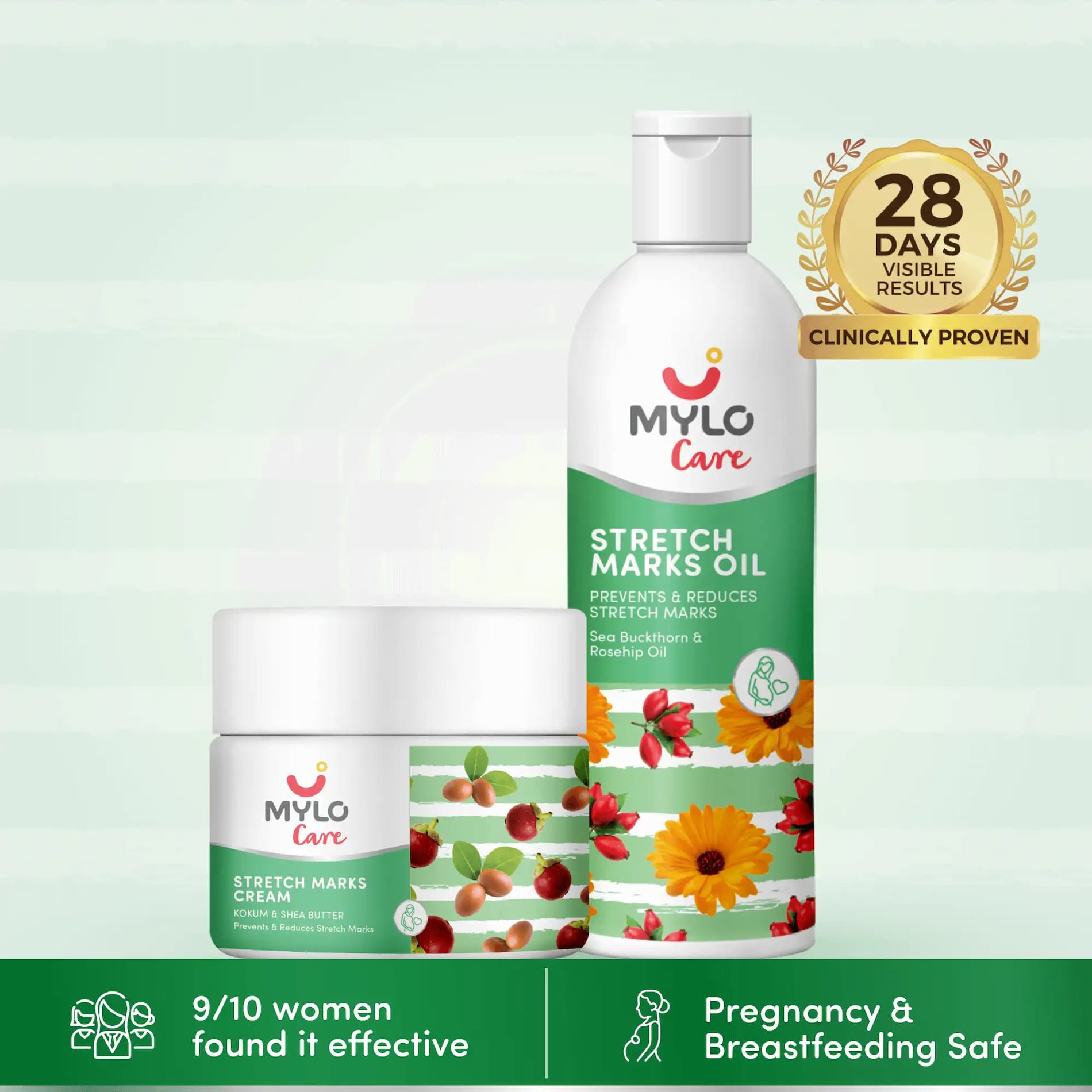
Stretch Marks Kit (Stretch Mark Oil + Stretch Marks Cream - 100ml each)
Made with Natural Ingredients | Tightens Skin | Prevents New and Fades Old Stretch Marks |


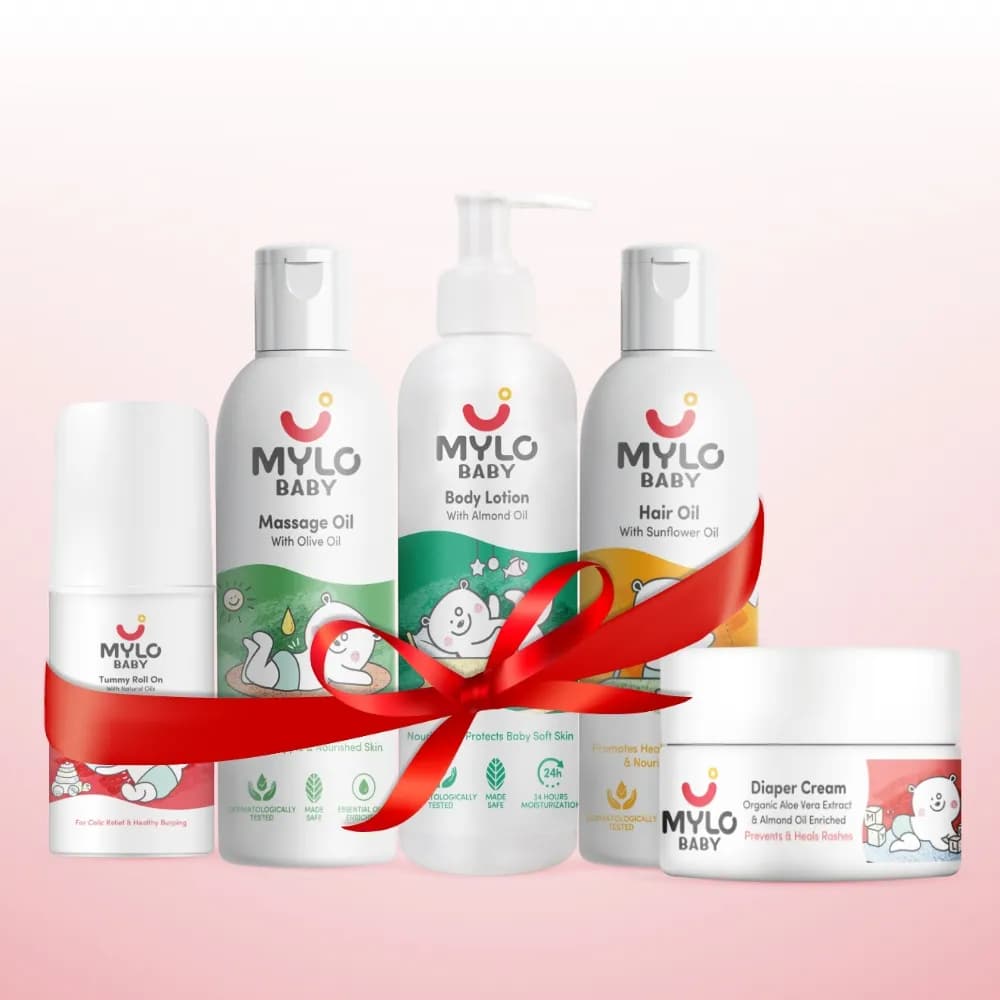
Baby Wellness Kit | Skincare Gift Set for Newborns

Article Posted Under
Related Articles


Related Topics

Medical Disclaimer
This content is for informational purposes only and should not replace professional medical advice. Consult with a physician or other health care professional if you have any concerns or questions about your health. If you rely on the information provided here, you do so solely at your own risk.


AWARDS AND RECOGNITION

Mylo wins Forbes D2C Disruptor award

Mylo wins The Economic Times Promising Brands 2022
AS SEEN IN













- Mylo Care: Effective and science-backed personal care and wellness solutions for a joyful you.
- Mylo Baby: Science-backed, gentle and effective personal care & hygiene range for your little one.
- Mylo Community: Trusted and empathetic community of 10mn+ parents and experts.


Product Categories
Baby Carrier | Baby Soap | Stretch Marks Cream | Baby Cream | Baby Shampoo | Baby Massage Oil | Baby Hair Oil | Stretch Marks Oil | Baby Body Wash | Baby Powder | Baby Lotion | Diaper Rash Cream | Teether | Baby Kajal |